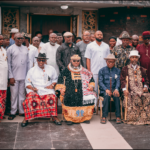


In the fertile plains stretching between Mount Elgon and Lake Kyoga lives the Bagwere, one of eastern Uganda’s oldest indigenous Bantu communities. Known for their strong agricultural traditions, close-knit families, and vibrant cultural practices, the Bagwere have preserved a heritage that reflects centuries of resilience, cooperation, and respect for community values.
Although surrounded by larger ethnic groups such as the Basoga, Bagisu, and Iteso, the Bagwere have maintained a distinct identity through their language, customs, music, and oral traditions. Their culture continues to thrive as new generations embrace education and modern development while remaining proud of their ancestral roots.
Today, the Bagwere are an important part of Uganda’s rich cultural mosaic and continue to contribute to the country’s social and economic progress.
Who Are the Bagwere?
The Bagwere are a Bantu-speaking people indigenous to eastern Uganda.
Their homeland is centered in:
- Budaka District
- Pallisa District
- Kibuku District
Smaller Bagwere communities also live in neighboring districts, including Butebo, Mbale, Butaleja, and Tororo.
The Bagwere have long maintained peaceful relationships with neighboring communities through trade, agriculture, and cultural exchange.
Origins and History
The Bagwere are believed to be among the early Bantu-speaking communities that settled in eastern Uganda centuries ago.
Oral traditions suggest that their ancestors migrated into the region long before the colonial era, establishing permanent settlements in the fertile plains. Over time, they developed farming communities that became known for producing food crops and maintaining strong clan-based societies.
Although they interacted extensively with neighboring peoples, including the Basoga, Bagisu, Japadhola, and Iteso, the Bagwere retained their own language and cultural identity.
Traditionally, community leadership rested with clan elders who guided social life and resolved disputes.
Clans and Social Organization
The clan system remains central to Bagwere society.
Clans provide structure for:
- Family identity
- Marriage customs
- Inheritance
- Cultural ceremonies
- Conflict resolution
Each clan has its own history and traditions, while elders serve as custodians of community values and oral history.
Respect for elders remains one of the defining characteristics of Bagwere culture.
Language
The Bagwere speak Lugwere, a Bantu language closely related to Lusoga and Luganda.
Lugwere is widely spoken throughout Budaka, Pallisa, and Kibuku districts and continues to be taught through community initiatives, schools, churches, and local media.
Its rich collection of proverbs, songs, folktales, and riddles helps preserve the community’s history and values.
Traditional Homes
Traditionally, Bagwere families lived in circular huts built using mud, wooden poles, reeds, and grass thatching.
A traditional homestead often included:
- Family houses
- Granaries
- Livestock shelters
- Outdoor cooking areas
Modern brick and cement houses are now common, though traditional compounds remain an important feature of rural life.
Food and Cuisine
Agriculture has always been the foundation of Bagwere society.
Popular traditional foods include:
- Millet bread
- Cassava
- Sweet potatoes
- Maize
- Beans
- Groundnut sauce
- Cowpeas
- Sorghum
- Chicken
- Beef
- Goat meat
Seasonal fruits and vegetables also play an important role in family diets.
Meals are traditionally shared among family members and guests, reflecting the Bagwere value of hospitality.
Traditional Dress
While modern clothing is commonly worn today, traditional attire remains important during:
- Weddings
- Cultural festivals
- Clan ceremonies
- Community celebrations
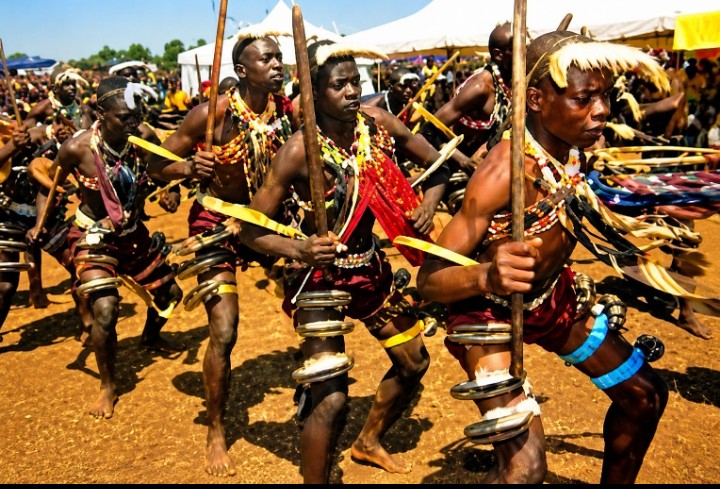
Traditional beadwork, necklaces, bracelets, and colorful garments continue to symbolize cultural pride.
Music and Dance
Music and dance remain vibrant expressions of Bagwere culture.
Traditional performances accompany:
- Weddings
- Harvest festivals
- Birth celebrations
- Community gatherings
- Cultural ceremonies
Drums, rattles, flutes, and singing create lively performances that celebrate family, farming, friendship, and community life.
Songs also preserve historical events and teach moral values.
Marriage and Family Life
Marriage is viewed as an important partnership between families.
Traditional marriage ceremonies include:
- Family introductions
- Bridewealth negotiations
- Blessings from elders
- Music and dancing
- Community feasting
Bridewealth traditionally consists of cattle, goats, or other agreed gifts that strengthen relationships between families.
Extended families remain an important source of guidance and support.
Spiritual Beliefs
Historically, the Bagwere believed in Katonda, the supreme creator, and respected ancestral traditions.
Today, Christianity is the dominant religion, with Catholic, Anglican, Pentecostal, and other Christian denominations well represented. Islam is also practiced within parts of the community.
Traditional values continue to influence family life, cultural ceremonies, and respect for elders.
Economic Activities
The Bagwere remain primarily an agricultural community.
Major economic activities include:
- Maize farming
- Cassava cultivation
- Rice farming
- Millet production
- Groundnut farming
- Livestock keeping
- Trade
- Education
- Public service
- Small businesses
Improved farming methods and better market access have helped strengthen the local economy in recent decades.
Famous Sons and Daughters
The Bagwere have contributed to Uganda through distinguished leaders in politics, education, religion, public administration, and business.
Many teachers, healthcare workers, entrepreneurs, civil servants, and community leaders from the Bagwere community continue to play important roles in national development.
Preserving Bagwere Heritage
Community leaders, cultural associations, educators, and local governments continue to promote the Lugwere language, traditional music, dances, oral history, and cultural education.
Festivals and heritage programs encourage younger generations to remain proud of their identity while embracing modern opportunities.
Did You Know?
- The Bagwere are among the oldest Bantu-speaking communities in eastern Uganda.
- Lugwere is closely related to Lusoga and Luganda.
- Agriculture has been the backbone of Bagwere society for centuries.
- Budaka and Pallisa are among Uganda’s important food-producing districts.
- Oral storytelling remains an important way of preserving Bagwere history.
Quick Facts
| Feature | Information |
|---|---|
| Region | Budaka, Pallisa, and Kibuku Districts |
| Language | Lugwere |
| Ethnic Group | Bantu |
| Traditional Leadership | Clan elders |
| Main Economic Activities | Agriculture, livestock keeping, trade |
| Major Crops | Maize, cassava, rice, millet |
Conclusion
The Bagwere are a proud agricultural community whose traditions have flourished for centuries in the fertile plains of eastern Uganda. Their language, customs, music, and strong family values continue to define their identity while enriching Uganda’s cultural diversity.
As the community embraces education, innovation, and economic development, the Bagwere remain committed to preserving the heritage passed down through generations. Their story is one of resilience, unity, and a lasting connection to the land that has sustained them for centuries.
Email Us on editorial@nnafrica.com