

Ethiopia is unlike any other country in Africa. It is one of the world’s oldest civilizations, the birthplace of coffee, home to extraordinary archaeological discoveries, and a nation whose cultural identity has remained remarkably resilient through thousands of years of history.
Unlike many African countries, Ethiopia was never fully colonized, allowing many of its traditions, languages, and customs to evolve with remarkable continuity. From the towering Simien Mountains to the sacred city of Lalibela, Ethiopia is a land where history is not confined to museums—it is woven into everyday life.
With more than 80 ethnic groups, ancient religious traditions, colorful festivals, and world-famous cuisine, Ethiopia offers one of the richest cultural experiences on the African continent.
Why Ethiopia Is One of the World’s Oldest Civilizations
Ethiopia’s story stretches back thousands of years.
Ancient kingdoms such as D’mt and the Kingdom of Aksum made Ethiopia one of Africa’s earliest centers of trade, governance, and learning. The Aksumite Empire traded with Rome, Persia, India, and Arabia, becoming one of the ancient world’s great civilizations.
The country is also home to some of humanity’s oldest archaeological discoveries, including the famous fossil known as “Lucy,” offering remarkable insight into early human history.
Every corner of Ethiopia reflects a civilization that has continuously contributed to Africa’s cultural and historical legacy.
The Birthplace of Coffee and the Ceremony That Unites Communities
No tradition symbolizes Ethiopia more than coffee.
According to legend, coffee was first discovered in Ethiopia’s Kaffa region before spreading across the world. Today, coffee remains central to Ethiopian culture.
The traditional Ethiopian coffee ceremony is far more than preparing a drink. Green coffee beans are roasted over charcoal, ground by hand, and brewed before being served in three rounds, each carrying its own cultural significance.
Family members, neighbors, and guests gather during the ceremony to share stories, discuss community matters, and strengthen relationships.
It remains one of Africa’s most cherished expressions of hospitality.
Lalibela: The Churches Carved Into Living Rock
Among Ethiopia’s greatest cultural treasures are the rock-hewn churches of Lalibela.
Carved directly into solid rock during the 12th and 13th centuries, these remarkable churches remain active places of worship and pilgrimage.
Architecturally unique, they represent extraordinary engineering and spiritual devotion that continue to inspire visitors from around the world.
During religious festivals, thousands of worshippers dressed in traditional white garments gather to celebrate centuries-old Christian traditions.
Lalibela stands as one of Africa’s greatest historical and spiritual landmarks.
More Than 80 Ethnic Groups Create a Cultural Mosaic
Ethiopia’s strength lies in its remarkable diversity.
The country is home to more than 80 ethnic groups, including the Oromo, Amhara, Somali, Tigray, Sidama, Afar, Gurage, Wolayta, and many others.
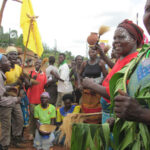
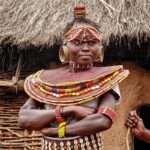
Each community contributes unique languages, music, clothing, architecture, cuisine, and ceremonies that enrich Ethiopia’s national identity.
This diversity creates a cultural landscape unlike anywhere else on the continent, where traditions remain deeply respected while modern society continues to evolve.
Ancient Festivals That Bring History to Life
Ethiopia’s calendar is filled with colorful religious and cultural celebrations.
Festivals such as Timkat, Meskel, and Genna attract thousands of participants each year.
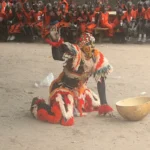
These celebrations feature elaborate processions, traditional music, dancing, ceremonial clothing, and community feasts.
Many of these traditions have been observed for centuries, connecting modern Ethiopians with their ancestors through shared faith and cultural heritage.
Visitors often describe these festivals as among Africa’s most unforgettable cultural experiences.
Ethiopian Cuisine: A Feast Meant to Be Shared
Food plays a central role in Ethiopian hospitality.
Injera, the country’s famous sourdough flatbread, forms the foundation of many meals and is served with a variety of richly flavored stews known as wats.
Lentils, chickpeas, vegetables, beef, lamb, and aromatic spices create dishes celebrated worldwide for their bold flavors.
Meals are traditionally eaten from a shared platter, reinforcing values of family, equality, and community.
Dining in Ethiopia is as much a social experience as it is a culinary one.
The Highlands That Shaped a Nation
Ethiopia’s dramatic highlands have influenced its history, agriculture, and culture for millennia.
The fertile mountains support farming communities that cultivate teff, barley, wheat, and coffee using methods refined over generations.
These highlands also provided natural protection that helped preserve Ethiopia’s independence and cultural traditions throughout history.
Today, villages scattered across the mountains continue to reflect lifestyles closely connected to the land and seasonal rhythms.
Music, Dance, and Oral Traditions That Preserve Identity
Music is deeply woven into Ethiopian society.
Traditional instruments such as the krar, masenqo, and begena accompany songs performed during weddings, religious ceremonies, and community celebrations.
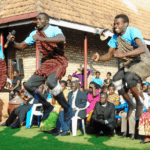
Each ethnic community has distinctive dances characterized by energetic shoulder movements, rhythmic footwork, and expressive storytelling.
Oral traditions remain equally important, preserving folklore, historical events, and moral lessons that continue to shape cultural identity.
These artistic expressions remain living connections between Ethiopia’s past and present.
Wildlife and Nature Beyond the History Books
Although famous for its ancient civilization, Ethiopia is also one of Africa’s most biodiverse countries.
The Simien Mountains, Bale Mountains, and Rift Valley are home to unique wildlife found nowhere else on Earth, including the Ethiopian wolf, Gelada baboon, and Walia ibex.
Traditional communities have long coexisted with these remarkable ecosystems, developing sustainable practices that reflect respect for nature.
This rich natural heritage complements Ethiopia’s extraordinary cultural legacy.
Why Ethiopia Continues to Inspire the World
Few countries combine history, culture, spirituality, and natural beauty as completely as Ethiopia.
It is a nation where coffee became a global tradition, where ancient churches continue to welcome pilgrims, and where communities proudly preserve customs that have endured for centuries.
Its diverse cultures, breathtaking landscapes, remarkable cuisine, and enduring traditions make Ethiopia one of Africa’s most compelling destinations.
For anyone seeking to understand the continent’s rich heritage, Ethiopia offers an unforgettable journey through one of humanity’s oldest civilizations.
Here, every cup of coffee tells a story, every festival celebrates history, and every mountain echoes with the legacy of a nation that has helped shape Africa’s soul.
Email Us on editorial@nnafrica.com