

Hidden between the eastern coast of Africa and the island of Madagascar lies one of the continent’s least-explored nations. The Comoros, an archipelago of volcanic islands scattered across the Indian Ocean, is a place where African, Arab, and French influences have blended over centuries to create a culture unlike any other in Africa.
Known as the “Perfume Islands,” Comoros is one of the world’s leading producers of ylang-ylang, a fragrant flower used in some of the world’s finest perfumes. Yet beyond its sweet aromas lies a nation rich in oral traditions, Islamic heritage, colorful festivals, and warm island hospitality.
For travelers searching for authentic experiences away from crowded tourist destinations, Comoros offers an unforgettable journey through history, culture, and breathtaking natural beauty.

Why Comoros Is Known as the Perfume Islands
Few countries have built such a close relationship with fragrance as Comoros.
The volcanic soil and tropical climate create ideal conditions for growing ylang-ylang, cloves, vanilla, and jasmine. These aromatic crops have shaped the country’s economy for generations and earned Comoros international recognition in the global perfume industry.
Walking through the islands, visitors are often greeted by the sweet scent of flowering plantations carried by the ocean breeze.
The cultivation of these fragrant plants is more than agriculture—it is part of the country’s cultural identity and an important source of livelihood for thousands of families.
Where Africa, Arabia, and Asia Meet
Comoros occupies a unique position along ancient Indian Ocean trading routes.
For centuries, merchants from East Africa, the Arabian Peninsula, Persia, and South Asia visited these islands, bringing new ideas, languages, architecture, and religious traditions.
This cultural exchange gave birth to a vibrant Swahili-Islamic society that remains visible today in everything from local cuisine to traditional clothing and architecture.
Rather than replacing local customs, these influences blended harmoniously to create a distinctive Comorian identity.
The Grand Marriage: A Tradition That Defines Social Status
Among the most remarkable customs in Comoros is the Grand Marriage, one of the country’s most celebrated cultural traditions.
Far more elaborate than an ordinary wedding, the Grand Marriage is a major community event that can last for days and involves music, feasting, ceremonial processions, and traditional attire.
Completing this ceremony is often regarded as an important milestone that brings social prestige and increased respect within the community.
Families spend years preparing for the occasion, making it one of the most significant cultural institutions in Comorian society.
The Volcanic Islands That Shape Everyday Life
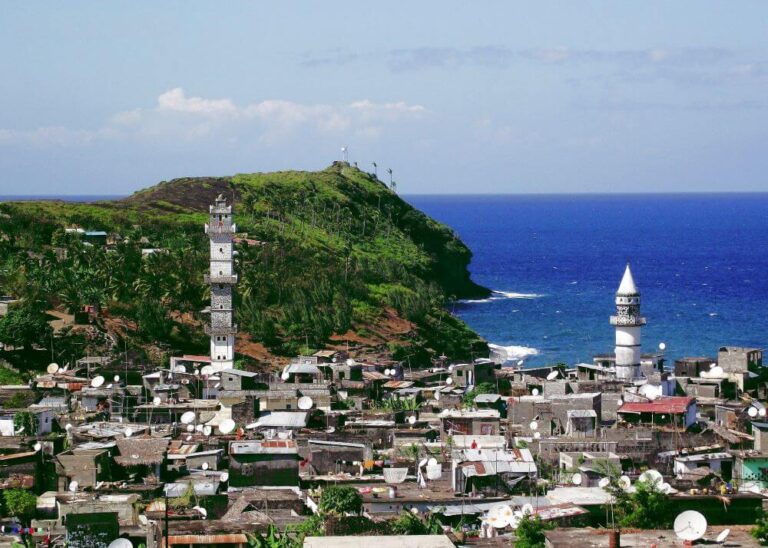
Comoros consists of four main islands formed by volcanic activity, creating dramatic landscapes of mountains, forests, waterfalls, and pristine beaches.
Mount Karthala, one of the world’s largest active volcanoes, dominates the island of Grande Comore. Its fertile volcanic soil supports agriculture while its forests provide habitats for rare wildlife.
Life on these islands has always been closely connected to nature, with fishing, farming, and small-scale trade forming the backbone of local communities.
The ocean remains central to transportation, culture, and economic life.
The Rhythms and Dances That Celebrate Island Life
Music plays an essential role in Comorian culture.
Traditional performances combine African rhythms with Arab and Indian Ocean influences, creating melodies that accompany weddings, religious celebrations, and community festivals.
Drums, handclapping, singing, and graceful dances bring villages together during important occasions.
Many songs tell stories of love, family, faith, and island history, helping preserve traditions that have been passed down through generations.
For visitors, these performances offer an authentic glimpse into the spirit of Comorian society.
What Comorian Cuisine Reveals About Its Cultural Heritage
Food in Comoros reflects centuries of cultural exchange across the Indian Ocean.
Fresh seafood, coconut, rice, bananas, cassava, vanilla, cloves, and fragrant spices form the foundation of many traditional dishes.
Curries, grilled fish, tropical fruits, and coconut-based sauces showcase influences from East Africa, Arabia, and South Asia.
Meals are often shared among extended families, reflecting the strong communal values that define Comorian life.
Hospitality remains one of the country’s most cherished traditions.
A Nation Where Faith Shapes Daily Life
Islam has played a central role in Comorian society for more than a thousand years.
Mosques stand at the heart of many communities, and religious celebrations bring families and neighbors together throughout the year.
Religious values influence architecture, education, family life, and community traditions while coexisting with local customs that have evolved over centuries.
Visitors often notice the peaceful rhythm of daily life shaped by faith and strong community relationships.
Marine Life and Untouched Natural Beauty
The waters surrounding Comoros are among the richest marine ecosystems in the Indian Ocean.
Coral reefs, dolphins, sea turtles, and colorful tropical fish thrive in warm coastal waters that remain largely unspoiled.
Marine conservation has become increasingly important as communities recognize the value of protecting their natural heritage for future generations.
For eco-tourists, Comoros offers exceptional opportunities for snorkeling, diving, whale watching, and exploring some of Africa’s least-visited coastlines.
How Young Comorians Are Preserving Their Heritage
Like many African nations, Comoros is balancing tradition with modernization.
Young entrepreneurs, artists, musicians, and educators are embracing technology while continuing to celebrate local customs, languages, and cultural practices.
Digital platforms have allowed Comorians living abroad to remain closely connected to their heritage, strengthening ties between the islands and the global diaspora.
This combination of innovation and cultural pride is helping shape the country’s future.
Why Comoros Is Africa’s Best-Kept Island Secret
While destinations such as Zanzibar, Mauritius, and the Seychelles attract millions of visitors each year, Comoros remains one of Africa’s hidden treasures.
Its volcanic landscapes, fragrant plantations, vibrant traditions, and welcoming communities offer an authentic experience rarely found in today’s tourism industry.
More importantly, Comoros reminds visitors that some of Africa’s richest cultural experiences exist far from the continent’s most famous attractions.
Here, the scent of ylang-ylang drifts through ancient villages, traditional songs echo across volcanic hills, and centuries of history continue to shape everyday life.
For those willing to venture off the beaten path, Comoros is not simply another island destination—it is a living celebration of Africa’s cultural diversity and Indian Ocean heritage.
Email Us on editorial@nnafrica.com