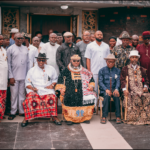


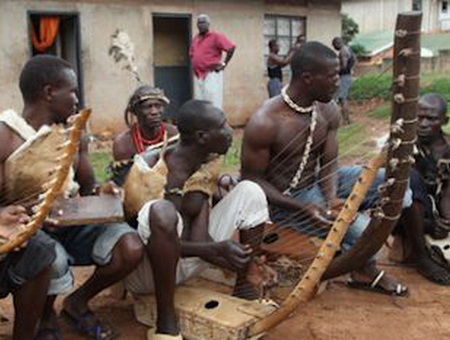
Nestled along the northern shores of Lake Kyoga lies the homeland of the Kumam, a community whose culture reflects centuries of resilience, adaptation, and peaceful coexistence with neighboring peoples. Though smaller in population than some of Uganda’s major ethnic groups, the Kumam possess a rich heritage shaped by farming, fishing, trade, and strong family values.
Living at the crossroads of eastern and northern Uganda, the Kumam have been influenced by both Nilotic and Bantu cultures while preserving a unique identity expressed through their language, traditions, and communal way of life.
Today, the Kumam continue to celebrate their heritage while contributing to Uganda’s education, agriculture, business, and public service.
Who Are the Kumam?
The Kumam are a Nilotic-speaking people indigenous to the Teso–Kyoga region of eastern Uganda.
Their homeland is concentrated in:
- Kaberamaido District
- Dokolo District
- Soroti District (parts)
- Serere District (parts)
- Kalaki District (parts)
Smaller Kumam communities also live in other parts of Uganda due to migration and urbanization.
Although they share close historical ties with neighboring Iteso, Langi, and Acholi communities, the Kumam have maintained a distinct cultural identity and language.
Origins and History
Historians and oral traditions suggest that the Kumam descended from Luo-speaking peoples who migrated into the Lake Kyoga basin several centuries ago.
Over time, they settled among neighboring communities, particularly the Iteso. Through centuries of interaction, they adopted certain cultural practices while preserving their own traditions and language.
The fertile plains and proximity to Lake Kyoga encouraged farming, fishing, and trade, laying the foundation for a stable and prosperous society.
Traditionally, Kumam communities were governed by respected clan elders rather than centralized kings.
Clans and Social Organization
The Kumam are organized into numerous clans that remain central to community life.
Clans help regulate:
- Marriage
- Family relationships
- Inheritance
- Conflict resolution
- Cultural ceremonies
Elders play an important role in guiding families, preserving oral traditions, and resolving disputes through dialogue and consensus.
Language
The Kumam speak Lumasaaba… Wait correction—Lukumam, a Western Nilotic language that reflects their Luo heritage while also showing the influence of neighboring Ateso through centuries of close interaction.
Lukumam is spoken in homes, schools, churches, and community gatherings.
The language preserves a rich collection of proverbs, folktales, songs, and oral history that continue to educate younger generations.
Traditional Homes
Traditionally, Kumam families lived in circular huts built using mud, wooden poles, reeds, and grass thatch.
A typical homestead included:
- Family houses
- Granaries
- Livestock enclosures
- Outdoor cooking areas
Modern brick houses are increasingly common, although traditional compounds remain visible throughout rural communities.
Food and Cuisine
The fertile lands surrounding Lake Kyoga support diverse agricultural activities.
Popular traditional foods include:
- Millet bread
- Cassava
- Sweet potatoes
- Sorghum
- Maize
- Beans
- Groundnut sauce
- Cowpeas
- Fish from Lake Kyoga
- Beef and goat meat
Fishing continues to provide both food and income for many families living near the lake.
Traditional Dress
Modern clothing is commonly worn throughout Kumam communities today.
Traditional attire, however, remains important during:
- Weddings
- Cultural festivals
- Clan ceremonies
- Community celebrations
Handmade beadwork, necklaces, bracelets, and colorful garments symbolize pride in Kumam heritage.
Music and Dance
Music and dance are essential parts of Kumam cultural life.
Traditional performances accompany:
- Weddings
- Harvest festivals
- Birth celebrations
- Community gatherings
- Cultural festivals
Drums, rattles, singing, and energetic dances celebrate unity, family, agriculture, and community achievements.
Songs also preserve history and pass moral lessons from one generation to the next.
Marriage and Family Life
Marriage is regarded as the union of two extended families.
Traditional marriage ceremonies include:
- Family introductions
- Bridewealth negotiations
- Blessings from elders
- Music and dancing
- Community feasts
Bridewealth traditionally consists of cattle or other agreed gifts that strengthen relationships between families.
Family cooperation remains one of the most respected values in Kumam society.
Spiritual Beliefs
Historically, the Kumam believed in a supreme creator and respected ancestral traditions.
Today, Christianity is the dominant religion, with Catholic, Anglican, Pentecostal, and other Christian churches playing important roles in community life.
Traditional values continue to influence family ceremonies and cultural celebrations.
Economic Activities
Agriculture remains the backbone of the Kumam economy.
Major economic activities include:
- Millet farming
- Cassava cultivation
- Maize production
- Rice farming
- Sunflower growing
- Fishing
- Livestock keeping
- Trade
- Education
- Public service
The fertile soils and access to Lake Kyoga have supported livelihoods for generations.
Famous Sons and Daughters
Despite being a relatively smaller community, the Kumam have produced respected leaders in education, religion, medicine, public administration, and politics.
Many Kumam professionals have contributed significantly to Uganda’s development through public service, teaching, healthcare, agriculture, and entrepreneurship.
Preserving Kumam Heritage
Community leaders, cultural organizations, and schools continue to promote the Lukumam language, traditional music, folklore, and cultural education.
Festivals, cultural competitions, and heritage programs encourage younger generations to preserve their customs while embracing modern opportunities.
Did You Know?
- The Kumam live mainly around the northern shores of Lake Kyoga.
- Lukumam belongs to the Western Nilotic language family.
- The Kumam share historical and cultural ties with both the Iteso and Luo-speaking communities.
- Fishing and farming have sustained Kumam communities for centuries.
- Oral storytelling remains an important way of preserving Kumam history.
Quick Facts
| Feature | Information |
|---|---|
| Region | Teso–Kyoga Basin, Eastern Uganda |
| Language | Lukumam |
| Ethnic Group | Western Nilotic |
| Traditional Leadership | Clan elders |
| Main Economic Activities | Farming, fishing, livestock keeping |
| Famous Landmark | Lake Kyoga |
Conclusion
The Kumam are a resilient people whose culture has flourished along the shores of Lake Kyoga for generations. Their language, traditions, music, and communal values reflect a rich heritage shaped by both history and geography.
Although smaller in number than some of Uganda’s larger ethnic communities, the Kumam have made meaningful contributions to the nation’s cultural diversity and development. By preserving their language and traditions while embracing education and innovation, they continue to ensure that their unique heritage remains a vibrant part of Uganda’s story.
Email Us on editorial@nnafrica.com