

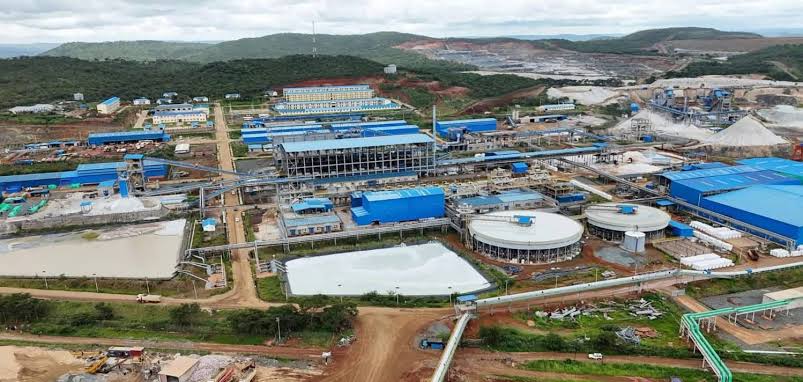
Zimbabwe’s government signed a $1.4 billion agreement with China’s Chengxin Lithium on 1 June 2026 to build a battery-grade lithium refinery in Mutoko, Mashonaland East Province.
The plant will process spodumene concentrate from Chengxin’s existing mines at Bikita and Sabi Star into lithium hydroxide and carbonate for electric vehicle batteries. Construction starts Q3 2026, with first output targeted for late 2028.
Mines Minister Winston Chitando said the refinery will create 3,000 jobs and add value locally instead of exporting raw ore. Zimbabwe banned raw lithium exports in 2022 to force investment in processing.
“Mutoko will be the first battery-grade refinery in Southern Africa outside South Africa,” Chitando said. “We want to move up the value chain.”
Chengxin already operates lithium mines in Zimbabwe and exports concentrate to China. The new refinery will have 50,000 tonnes per year capacity, enough to supply batteries for 1 million EVs annually.
Zimbabwe holds Africa’s largest lithium reserves and the world’s 5th largest. Global demand is surging as EV sales grow. Prices for battery-grade lithium carbonate have rebounded to $18,000 per tonne in 2026 after a 2024 slump.
The deal includes provisions for local procurement and skills transfer. Chengxin will train Zimbabwean engineers and technicians at its facilities in China.
Environmental groups raised concerns about water use and waste from lithium processing. Chengxin said the plant will use recycled water and meet Zimbabwe’s new mining environmental standards.
The Mutoko project is part of Zimbabwe’s broader strategy to attract $12 billion in mining investment by 2030. Other lithium players in the country include Huayou Cobalt and Prospect Resources.
If completed, the refinery will position Zimbabwe as a key supplier to China’s EV battery makers and potentially to European automakers seeking non-Chinese processing sources.
Email Us on editorial@nnafrica.com