

Senegal’s main teachers’ and health workers’ unions began a 72-hour nationwide strike on 2 June 2026, the first major labor action since President Bassirou Diomaye Faye’s Pastef party took power in March 2024.
Unions are demanding a 20% wage increase to offset inflation and delayed salary adjustments. They also want faster recruitment of contract teachers and nurses. Schools and public clinics are expected to operate at minimal capacity until 4 June.
Finance Minister Cheikh Diba said the government is “open to dialogue” but warned that Senegal’s budget cannot absorb a blanket 20% raise without cutting development spending. Inflation in Senegal dropped to 3.2% in April 2026, but food prices remain high.
President Faye, elected on an anti-establishment platform, has promised to reform public sector pay and reduce foreign debt dependence. His government inherited a fiscal deficit of 9% of GDP and is negotiating with the IMF for a new program.
Pastef officials argue that past governments promised wage hikes without funding them. Unions counter that cost of living in Dakar has risen 30% since 2022 while salaries stayed flat.
The strike tests Faye’s relationship with organized labor, a powerful force in Senegalese politics. Previous presidents, including Macky Sall, faced repeated teacher strikes that shut schools for months.
Talks resumed Monday night at the Ministry of Labor. Union leaders said they would suspend the strike if the government commits to a phased increase starting July 2026.
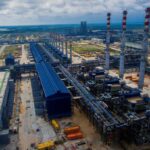
Senegal’s economy is projected to grow 8% this year due to oil and gas production, but most gains are not yet reaching public sector workers. The government is under pressure to show quick wins without destabilizing finances.
If unresolved, the strike could expand to transport and municipal workers. Pastef’s popularity will depend on balancing fiscal discipline with its campaign promise of “systemic change.”
Email Us on editorial@nnafrica.com