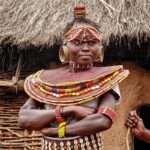


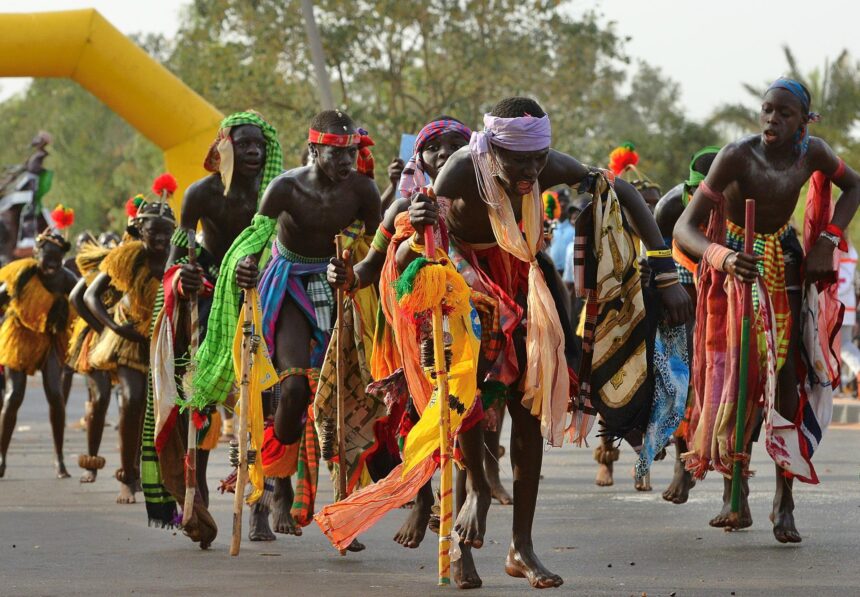
Tucked between Senegal and Guinea on Africa’s Atlantic coast, Guinea-Bissau is one of the continent’s least-visited countries—but it is also one of its most culturally fascinating. Blessed with untouched islands, dense mangrove forests, vibrant communities, and centuries-old traditions, this small West African nation offers a glimpse into a way of life that has endured for generations.
While the world often overlooks Guinea-Bissau, its people continue to preserve a remarkable cultural heritage shaped by the sea, rivers, forests, and strong community values. From the sacred Bijagós Archipelago to lively village festivals, every corner of the country tells a story of resilience, spirituality, and harmony with nature.
For travelers seeking authentic experiences away from mass tourism, Guinea-Bissau remains one of Africa’s hidden treasures.
The Bijagós Archipelago: Where Nature and Spirituality Become One
Off Guinea-Bissau’s coast lies the spectacular Bijagós Archipelago, a chain of more than 80 islands scattered across the Atlantic Ocean.
Many of these islands remain largely untouched, protected by local communities that regard parts of the landscape as sacred. Traditional beliefs have helped preserve forests, wildlife, and marine ecosystems for centuries.
The archipelago is home to sea turtles, dolphins, manatees, hippos adapted to coastal habitats, and hundreds of bird species, making it one of Africa’s most important ecological treasures.
For the Bijagós people, nature is not simply a resource—it is part of their spiritual identity.
A Nation Rich in Cultural Diversity
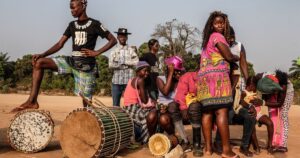
Despite its relatively small population, Guinea-Bissau is home to more than 20 ethnic groups.
Communities such as the Balanta, Fula, Mandinka, Papel, Manjaco, Bijagós, and Mancanha each contribute unique languages, ceremonies, music, and customs.
Traditional leadership remains highly respected, with elders playing an important role in preserving history, resolving disputes, and guiding community life.
This cultural diversity gives Guinea-Bissau a richness that far exceeds its size.
Sacred Ceremonies That Connect Generations
Traditional ceremonies remain central to life across Guinea-Bissau.
Initiation rites, harvest celebrations, weddings, and community festivals are marked by colorful clothing, masks, drumming, dancing, and storytelling.
Many ceremonies emphasize respect for ancestors, the natural world, and the responsibilities shared between generations.
These traditions help strengthen social bonds while ensuring that cultural knowledge continues to be passed on to young people.
Visitors who witness these celebrations gain a rare insight into one of West Africa’s oldest living cultural traditions.
Music and Dance: The Rhythm of Everyday Life
Music accompanies nearly every important moment in Guinea-Bissau.
Traditional drums, balafons, stringed instruments, and energetic singing create joyful celebrations during festivals and family gatherings.
Dance is equally important, often serving as a form of storytelling that reflects community history, spiritual beliefs, and everyday experiences.
Modern musicians continue to blend traditional rhythms with contemporary West African styles, introducing Guinea-Bissau’s musical heritage to wider audiences.
Music remains one of the country’s strongest expressions of cultural identity.
Coastal Life Shaped by the Atlantic Ocean
The Atlantic Ocean has long influenced life in Guinea-Bissau.
Fishing communities rely on the sea for food and trade, while mangrove forests provide essential habitats that support local livelihoods.
Traditional wooden canoes remain common along the coast, connecting islands and mainland villages just as they have for centuries.
Life along the shoreline reflects a close relationship between people and the marine environment, where sustainability has become an important cultural value.
Guinea-Bissau’s Cuisine: Fresh, Simple, and Full of Flavor
Food in Guinea-Bissau reflects the country’s coastal geography and agricultural traditions.
Rice is the staple of many meals, accompanied by fresh fish, shellfish, vegetables, palm oil, peanuts, and tropical fruits such as mangoes and papayas.
Grilled seafood is especially popular in coastal communities, while inland regions feature hearty stews prepared with locally grown ingredients.
Meals are often shared among family members and neighbors, reinforcing values of generosity and togetherness.
Visitors quickly discover that food is one of the country’s warmest expressions of hospitality.
The Cashew Tree: A Symbol of Rural Life
Guinea-Bissau is one of Africa’s leading producers of cashew nuts, and the crop plays a central role in rural communities.
During harvest season, villages come alive with activity as families gather to collect and process cashews.
Beyond its economic importance, the cashew tree has become a symbol of resilience and self-reliance for many communities.
Its cultivation supports thousands of households while helping preserve traditional agricultural knowledge passed down through generations.
Wildlife and Conservation in an Untouched Landscape
Guinea-Bissau is home to remarkable biodiversity.
Its mangroves, wetlands, forests, and islands provide refuge for rare marine life, migratory birds, monkeys, crocodiles, and sea turtles.
Community-led conservation efforts have helped protect many of these ecosystems while respecting traditional beliefs connected to sacred natural sites.
Eco-tourism is gradually creating new opportunities for sustainable development without compromising the country’s unique environmental heritage.
A New Generation Proud of Its Heritage
Young people in Guinea-Bissau are embracing education, entrepreneurship, music, and technology while remaining deeply connected to their cultural roots.
Artists, musicians, and community organizations are documenting oral traditions, promoting local languages, and preserving traditional crafts for future generations.
This blend of innovation and cultural pride is helping shape a confident future for one of West Africa’s most distinctive nations.
Why Guinea-Bissau Is One of Africa’s Most Authentic Destinations
Guinea-Bissau offers something increasingly rare in today’s world—authenticity.
Its sacred islands remain largely untouched. Its communities continue to celebrate traditions rooted in centuries of history. Its forests, mangroves, and coastlines support extraordinary biodiversity, while its people welcome visitors with warmth and sincerity.
For travelers seeking to discover a different side of Africa, Guinea-Bissau rewards curiosity with unforgettable cultural experiences and breathtaking natural beauty.
It is a country where ancient customs still guide daily life, where music echoes through island villages, and where the Atlantic Ocean continues to shape a timeless way of living.
Guinea-Bissau may be one of Africa’s smallest nations, but its cultural legacy is vast, vibrant, and waiting to be discovered.
Email Us on editorial@nnafrica.com