

South Sudan is Africa’s youngest nation, but its cultural heritage stretches back centuries. Long before modern borders were drawn, communities across this vast land developed traditions, beliefs, and social systems that continue to shape everyday life.
Often viewed through the lens of politics and conflict, South Sudan’s deeper story is one of resilience, identity, and cultural pride. From the cattle camps of the savannah to the fishing communities of the White Nile, generations have preserved customs that define who they are and where they come from.
For travelers and cultural enthusiasts, South Sudan offers a rare glimpse into traditions that remain deeply woven into daily life, creating one of Africa’s most fascinating cultural landscapes.
Why the White Nile Remains the Lifeline of South Sudan
The White Nile is more than a river—it is the foundation of life for millions of South Sudanese.
Flowing through the heart of the country, the river supports farming, fishing, transportation, and trade. Communities have settled along its banks for generations, developing customs and livelihoods closely tied to its seasonal rhythms.
The Nile also occupies an important place in local folklore and spiritual beliefs. Stories, songs, and traditions often celebrate the river as a source of life, prosperity, and connection between communities.
Even today, the White Nile continues to influence how people work, travel, and interact with their environment.
The Cattle Culture That Shapes Identity
In many parts of South Sudan, cattle are far more than livestock.
For communities such as the Dinka, Nuer, and Mundari, cattle represent wealth, social status, family heritage, and cultural identity. Songs are composed about prized animals, and many traditional ceremonies involve cattle as symbols of prosperity and respect.
Young people often spend significant periods of their lives caring for herds, learning valuable lessons about responsibility, community, and tradition.
The importance of cattle extends beyond economics, forming one of the strongest cultural pillars of South Sudanese society.
A Nation of Extraordinary Cultural Diversity
Despite being a relatively young country, South Sudan is home to more than sixty ethnic groups.
Each community contributes unique languages, customs, artistic traditions, and social practices. The Dinka, Nuer, Shilluk, Azande, Bari, and Toposa are among the country’s many cultural groups.
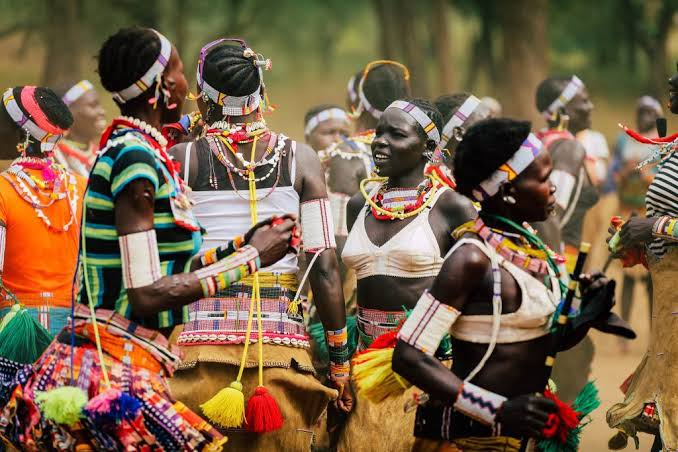
This diversity is reflected in traditional clothing, ceremonies, dances, architecture, and oral traditions that vary across regions.
Together, these communities create a rich cultural mosaic that defines South Sudan’s national identity.
The Oral Histories That Preserve Generations of Knowledge
For centuries, stories have served as living archives throughout South Sudan.
Elders pass down histories, moral lessons, and community traditions through storytelling, songs, and poetry. These oral traditions help preserve knowledge about ancestors, migration routes, historical events, and cultural values.
Gatherings around evening fires remain important opportunities for younger generations to learn about their heritage.
In many communities, oral storytelling continues to play a central role in preserving identity and strengthening social bonds.
Traditional Dance as a Celebration of Community
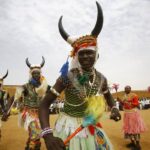
Music and dance are inseparable from social life in South Sudan.
Celebrations often feature energetic performances accompanied by drums, singing, and traditional instruments. Weddings, harvest festivals, initiation ceremonies, and community gatherings all provide opportunities for cultural expression through dance.
Each ethnic group maintains distinctive dance styles that reflect local histories and traditions.
These performances are more than entertainment—they are powerful expressions of identity, unity, and cultural continuity.
The Sudd: One of Africa’s Greatest Natural Wonders
The Sudd wetlands are among the largest freshwater ecosystems in the world and one of South Sudan’s most remarkable natural treasures.
Covering vast areas during seasonal flooding, the wetlands support wildlife, fishing communities, and unique ecosystems.
For generations, local populations have adapted their lifestyles to the changing waters, developing fishing techniques, transportation methods, and settlement patterns that reflect their close relationship with nature.
The Sudd remains an essential part of the country’s environmental and cultural heritage.
What South Sudanese Cuisine Reveals About Everyday Life
Food in South Sudan reflects both cultural diversity and environmental adaptation.
Staple foods often include sorghum, millet, maize, beans, vegetables, and fish. Many meals are prepared using locally sourced ingredients and recipes passed down through generations.
Communal eating is common, reinforcing values of hospitality and togetherness.
Whether in rural villages or urban neighborhoods, food continues to serve as an important link between culture, family, and tradition.
The Role of Elders in Community Leadership
Respect for elders remains a defining feature of South Sudanese society.
Community leaders often play important roles in conflict resolution, cultural preservation, and decision-making processes. Their wisdom and experience are highly valued, particularly in matters involving family, tradition, and social harmony.
This emphasis on intergenerational knowledge helps ensure that cultural customs remain relevant and respected.
In many communities, elders serve as guardians of traditions that have survived for centuries.
How Young South Sudanese Are Shaping a New Future
South Sudan’s population is one of the youngest in Africa.
Across the country, young people are embracing education, entrepreneurship, technology, sports, and the arts while maintaining connections to their cultural roots.
Musicians, writers, artists, and community organizations are finding new ways to celebrate South Sudanese identity and share local stories with global audiences.
Their efforts are helping bridge the gap between tradition and modernity, creating new opportunities for cultural preservation and growth.
Why South Sudan’s Cultural Heritage Deserves Greater Recognition
South Sudan is often defined by its challenges, but its cultural wealth tells a far more complete story.
It is a country where ancient traditions remain alive, where communities continue to celebrate their identities, and where resilience has become a defining national characteristic.
From the cattle camps of the savannah to the waters of the White Nile, South Sudan offers a cultural experience unlike anywhere else in Africa.
Its people, traditions, and stories provide a powerful reminder that heritage can endure even through periods of profound change.
For those seeking to understand Africa beyond the headlines, South Sudan reveals a rich tapestry of culture, community, and resilience that deserves far greater recognition.
Email Us on editorial@nnafrica.com