

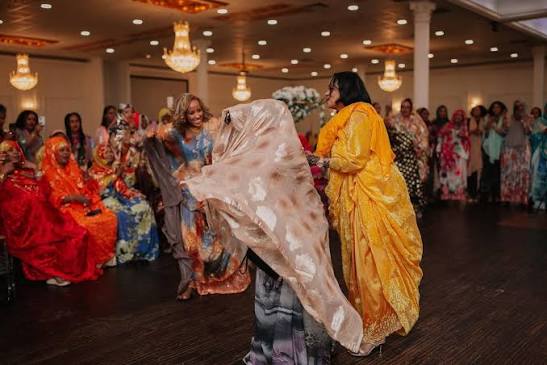
In the courtyard of a community center in Mogadishu’s Hodan district, 23-year-old Amina Yusuf steps forward, ululates, and begins chanting in rhythmic Somali. She’s performing Buraanbur — a centuries-old women’s poetry tradition that’s seeing a revival among Somali youth.
Once reserved for weddings and celebrations, Buraanbur is now being repurposed by artists under 30 to tackle mental health, climate change, urban displacement, and social justice. The revival is driven by groups like “Heesaha Horyaalka” and digital platforms that share performances on TikTok and YouTube.
“Buraanbur gave our grandmothers a voice when politics was closed to them,” Yusuf said. “We’re using it for the same reason — to say things people are afraid to say in prose.”
The form relies on alliteration, rhythm, and call-and-response. Performers wear traditional dirac dresses and often compose in groups. Unlike classical maanso poetry dominated by men, Buraanbur has always been women-led, making it a natural fit for conversations around gender and trauma.
Cultural historians say the timing matters. After decades of conflict, young Somalis are searching for cultural anchors that feel both authentic and relevant. Poetry slams in Mogadishu, Hargeisa, and diaspora hubs like Nairobi and Minneapolis are selling out.
The revival isn’t without tension. Some elders argue modern topics dilute the tradition. Younger poets counter that oral literature only survives if it reflects current life.
UNESCO recognizes Somali oral poetry as intangible heritage, but funding for preservation remains limited. Artists are self-funding recordings and community workshops.
As Yusuf finished her piece on drought and displacement, the crowd responded with “Amiiin” — the traditional sign of agreement. In a city rebuilding itself, ancient verse is becoming new again.
Email Us on editorial@nnafrica.com