


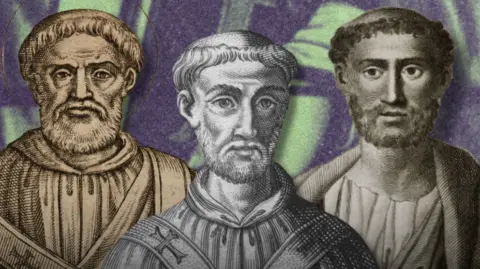
The history of Christianity is rich and multifaceted, deeply intertwined with cultural influences that span continents. Among the notable influences are the contributions of African popes, particularly those of North African descent. Traditionally recognized are three prominent popes from this region—Pope Saint Victor I, Pope Saint Miltiades, and Pope Saint Gelasius I. Their legacies not only shaped the doctrine of the Church but also laid the foundations for cultural practices, including the celebration of love that we now know as Valentine’s Day.
The African Papacy: A Transformative Era
Pope Saint Victor I, who served around 189-199 AD, was the first pope of non-Italian descent and made significant changes that affected the core of Christian practice. He is known for standardizing the celebration of Easter, establishing a unified date for the observance across the Christian world. This move towards a more structured liturgical calendar allowed for a greater cohesion among early Christians and differentiated believers from competing pagan festivals.
Following him, Pope Saint Miltiades (311-314 AD) presided over the Church during a crucial period marked by the Edict of Milan, which legalized Christianity in the Roman Empire. His leadership in affirming the faith during such a transformative time not only shaped the Church’s growth but also contributed to the eventual acceptance and integration of Christian values within Roman society.
Lastly, Pope Saint Gelasius I (492-496 AD) was pivotal in affirming the emotional and spiritual bonds associated with love and community. He emphasized the importance of love as a divine virtue, which resonated with the growth of personal relationships among believers and reinforced the significance of community support.
The Roots of Valentine’s Day
While none of these popes can be credited with directly establishing Valentine’s Day, the celebration’s origins can be traced back to Christian martyrdom and to themes of love that were emphasized during their papacies. The festival itself commemorates Saint Valentine, a Roman priest who was executed by Emperor Claudius II around 269 AD for marrying Christian couples and refusing to renounce his faith—an act of love and defiance.
Historically, the association of love with this day was further solidified by the writings of Geoffrey Chaucer in the 14th century, who linked the feast of Saint Valentine to romantic love. This connection blossomed during the Middle Ages when courtly love became a prominent theme in literature, transforming Valentine’s Day into a celebration of romantic affection.
The Cultural Exchange
The influence of African popes extends beyond ecclesiastical matters into cultural exchanges that helped to introduce love as a central tenet in Christian morality. The emphasis on love in Christian doctrine—echoing values championed by early African leaders—gradually seeped into celebrations of love and romance, inspiring customs that celebrate human connections.
The teachings that emerged from these popes encouraged communities to embrace not only a formal devotion to faith but also to embody love in their relationships, setting an unprecedented precedent that would ultimately influence future celebrations.
Lasting Impact on Christianity
The contributions of the North African popes illustrate a rich history that influences Christian practices to this day. They championed inclusivity and standardization in worship, which provided a platform for diverse cultures to engage with Christianity meaningfully.
As the spirit of love and devotion reinforced by these early leaders continues to resonate through celebrations like Valentine’s Day, it invites modern Christians to reflect on the blending of faith and love. This legacy reminds us of the profound ways in which African popes have shaped not only the church’s doctrinal practices but also the cultural expressions of love that thrive within it.
In celebrating Valentine’s Day, we honor this unique intersection of history and culture, recognizing the powerful contributions of those whose legacies have woven love into the fabric of Christianity itself.
Love, Faith, and Legacy: How African Popes Shaped Christianity and Gave Birth to Valentine’s Day
The history of Christianity is rich and multifaceted, deeply intertwined with cultural influences that span continents. Among the notable influences are the contributions of African popes, particularly those of North African descent. Traditionally recognized are three prominent popes from this region—Pope Saint Victor I, Pope Saint Miltiades, and Pope Saint Gelasius I. Their legacies not only shaped the doctrine of the Church but also laid the foundations for cultural practices, including the celebration of love that we now know as Valentine’s Day.
The African Papacy: A Transformative Era
Pope Saint Victor I, who served around 189-199 AD, was the first pope of non-Italian descent and made significant changes that affected the core of Christian practice. He is known for standardizing the celebration of Easter, establishing a unified date for the observance across the Christian world. This move towards a more structured liturgical calendar allowed for a greater cohesion among early Christians and differentiated believers from competing pagan festivals.
Following him, Pope Saint Miltiades (311-314 AD) presided over the Church during a crucial period marked by the Edict of Milan, which legalized Christianity in the Roman Empire. His leadership in affirming the faith during such a transformative time not only shaped the Church’s growth but also contributed to the eventual acceptance and integration of Christian values within Roman society.
Lastly, Pope Saint Gelasius I (492-496 AD) was pivotal in affirming the emotional and spiritual bonds associated with love and community. He emphasized the importance of love as a divine virtue, which resonated with the growth of personal relationships among believers and reinforced the significance of community support.
The Roots of Valentine’s Day
While none of these popes can be credited with directly establishing Valentine’s Day, the celebration’s origins can be traced back to Christian martyrdom and to themes of love that were emphasized during their papacies. The festival itself commemorates Saint Valentine, a Roman priest who was executed by Emperor Claudius II around 269 AD for marrying Christian couples and refusing to renounce his faith—an act of love and defiance.
Historically, the association of love with this day was further solidified by the writings of Geoffrey Chaucer in the 14th century, who linked the feast of Saint Valentine to romantic love. This connection blossomed during the Middle Ages when courtly love became a prominent theme in literature, transforming Valentine’s Day into a celebration of romantic affection.
The Cultural Exchange
The influence of African popes extends beyond ecclesiastical matters into cultural exchanges that helped to introduce love as a central tenet in Christian morality. The emphasis on love in Christian doctrine—echoing values championed by early African leaders—gradually seeped into celebrations of love and romance, inspiring customs that celebrate human connections.
The teachings that emerged from these popes encouraged communities to embrace not only a formal devotion to faith but also to embody love in their relationships, setting an unprecedented precedent that would ultimately influence future celebrations.
Lasting Impact on Christianity
The contributions of the North African popes illustrate a rich history that influences Christian practices to this day. They championed inclusivity and standardization in worship, which provided a platform for diverse cultures to engage with Christianity meaningfully.
As the spirit of love and devotion reinforced by these early leaders continues to resonate through celebrations like Valentine’s Day, it invites modern Christians to reflect on the blending of faith and love. This legacy reminds us of the profound ways in which African popes have shaped not only the church’s doctrinal practices but also the cultural expressions of love that thrive within it.
In celebrating Valentine’s Day, we honor this unique intersection of history and culture, recognizing the powerful contributions of those whose legacies have woven love into the fabric of Christianity itself.
The history of Christianity is rich and multifaceted, deeply intertwined with cultural influences that span continents. Among the notable influences are the contributions of African popes, particularly those of North African descent. Traditionally recognized are three prominent popes from this region—Pope Saint Victor I, Pope Saint Miltiades, and Pope Saint Gelasius I. Their legacies not only shaped the doctrine of the Church but also laid the foundations for cultural practices, including the celebration of love that we now know as Valentine’s Day.
The African Papacy: A Transformative Era
Pope Saint Victor I, who served around 189-199 AD, was the first pope of non-Italian descent and made significant changes that affected the core of Christian practice. He is known for standardizing the celebration of Easter, establishing a unified date for the observance across the Christian world. This move towards a more structured liturgical calendar allowed for a greater cohesion among early Christians and differentiated believers from competing pagan festivals.
Following him, Pope Saint Miltiades (311-314 AD) presided over the Church during a crucial period marked by the Edict of Milan, which legalized Christianity in the Roman Empire. His leadership in affirming the faith during such a transformative time not only shaped the Church’s growth but also contributed to the eventual acceptance and integration of Christian values within Roman society.
Lastly, Pope Saint Gelasius I (492-496 AD) was pivotal in affirming the emotional and spiritual bonds associated with love and community. He emphasized the importance of love as a divine virtue, which resonated with the growth of personal relationships among believers and reinforced the significance of community support.
The Roots of Valentine’s Day
While none of these popes can be credited with directly establishing Valentine’s Day, the celebration’s origins can be traced back to Christian martyrdom and to themes of love that were emphasized during their papacies. The festival itself commemorates Saint Valentine, a Roman priest who was executed by Emperor Claudius II around 269 AD for marrying Christian couples and refusing to renounce his faith—an act of love and defiance.
Historically, the association of love with this day was further solidified by the writings of Geoffrey Chaucer in the 14th century, who linked the feast of Saint Valentine to romantic love. This connection blossomed during the Middle Ages when courtly love became a prominent theme in literature, transforming Valentine’s Day into a celebration of romantic affection.
The Cultural Exchange
The influence of African popes extends beyond ecclesiastical matters into cultural exchanges that helped to introduce love as a central tenet in Christian morality. The emphasis on love in Christian doctrine—echoing values championed by early African leaders—gradually seeped into celebrations of love and romance, inspiring customs that celebrate human connections.
The teachings that emerged from these popes encouraged communities to embrace not only a formal devotion to faith but also to embody love in their relationships, setting an unprecedented precedent that would ultimately influence future celebrations.
Lasting Impact on Christianity
The contributions of the North African popes illustrate a rich history that influences Christian practices to this day. They championed inclusivity and standardization in worship, which provided a platform for diverse cultures to engage with Christianity meaningfully.
As the spirit of love and devotion reinforced by these early leaders continues to resonate through celebrations like Valentine’s Day, it invites modern Christians to reflect on the blending of faith and love. This legacy reminds us of the profound ways in which African popes have shaped not only the church’s doctrinal practices but also the cultural expressions of love that thrive within it.
In celebrating Valentine’s Day, we honor this unique intersection of history and culture, recognizing the powerful contributions of those whose legacies have woven love into the fabric of Christianity itself.
Email Us on editorial@nnafrica.com