


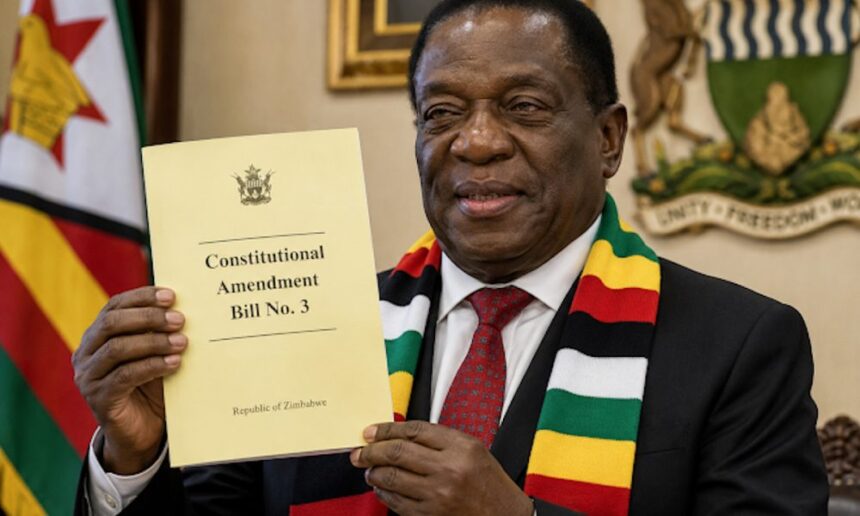
Zimbabwe is once again at the center of political debate after lawmakers approved a constitutional amendment that could reshape the country’s leadership timeline.
Supporters describe the move as a way to ensure policy continuity and long-term development, while critics argue it could weaken democratic accountability and alter the balance of power.
The amendment has quickly become one of the most discussed political issues in Southern Africa, drawing attention from legal experts, civil society groups, opposition figures, and regional observers.
What Is the Amendment About?
The proposed constitutional changes include provisions that could affect the timing of future elections and the duration of presidential leadership.
Backers say the reforms are intended to promote stability, reduce the costs of frequent elections, and allow the government to complete long-term development programmes.
Opponents, however, believe any change affecting presidential terms should be approached with caution and broad public consultation.
The proposal has therefore become a focal point in Zimbabwe’s national political conversation.
Why the Debate Matters
Zimbabwe has experienced decades of political transformation, economic challenges, and constitutional reform.
As a result, changes to the country’s supreme law attract significant public interest.
Many citizens believe constitutional amendments should strengthen democratic institutions, protect citizens’ rights, and reinforce the rule of law.
Others argue that stability and policy consistency are equally important for economic growth and investor confidence.
These competing perspectives have fueled lively debate across the country.
Regional Implications
Zimbabwe plays an important role within the Southern African Development Community (SADC).
Political developments in Harare are closely watched by neighbouring countries because they can influence regional diplomacy, trade, and investment.
International investors also monitor constitutional reforms when assessing long-term economic opportunities.
For this reason, Zimbabwe’s debate has attracted attention well beyond its borders.
The Economy Remains a Key Concern
While political discussions dominate headlines, many Zimbabweans remain focused on everyday economic realities.
Inflation, employment opportunities, healthcare, education, and business growth continue to shape public opinion.
Many citizens hope political leaders, regardless of their positions on the amendment, will prioritise improving living standards and expanding economic opportunities.
What Happens Next?
Although the amendment has cleared an important legislative stage, public discussion is expected to continue.
Legal experts, political parties, civil society organisations, and constitutional scholars are likely to examine its implications in greater detail.
The coming months could shape Zimbabwe’s political landscape for years to come.
A Test for Democratic Institutions
Constitutional reforms often test the strength of democratic institutions.
Transparent debate, respect for legal processes, and peaceful public participation will be essential in maintaining confidence in Zimbabwe’s governance system.
Regardless of differing political views, many observers agree that open dialogue is vital when considering changes to a nation’s constitution.
Final Thoughts
Zimbabwe’s constitutional amendment is about more than legal text.
It raises fundamental questions about leadership, accountability, democratic governance, and the country’s long-term future.
Whether viewed as a necessary reform or a controversial proposal, the debate reflects Zimbabwe’s continuing effort to balance political stability with democratic principles.
The decisions made in the months ahead will not only shape Zimbabwe’s future but will also be closely watched across Africa as another chapter unfolds in one of the continent’s most influential political stories.
Email Us on editorial@nnafrica.com