

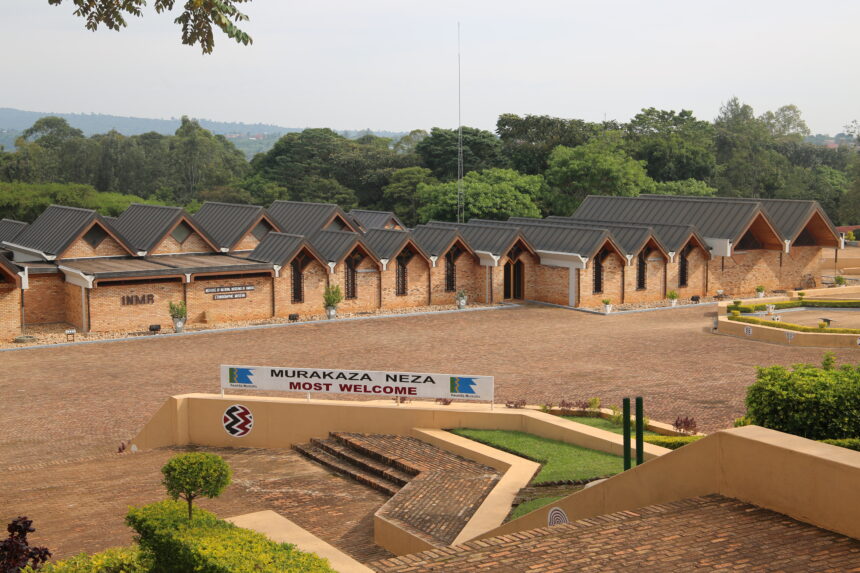
Rwanda is a country of dramatic hills, green valleys, carefully cultivated fields, and communities whose traditions have survived extraordinary historical change. Often called the Land of a Thousand Hills, it is one of Africa’s most distinctive destinations, where a compact geography has produced a remarkably rich cultural identity.
Beyond its modern image of clean cities, mountain gorillas, and impressive economic transformation lies a deeper story. Rwanda’s traditions are rooted in music, dance, cattle culture, craftsmanship, oral history, agriculture, and a historic monarchy that once connected communities across the highlands.
For students, researchers, teachers, tourists, and members of the African diaspora, Rwanda offers an opportunity to understand how cultural heritage can survive difficult periods and continue influencing national identity.
Why Rwanda Is Known as the Land of a Thousand Hills
Rwanda’s landscape immediately explains its famous nickname.
Rolling hills rise across much of the country, separated by fertile valleys and lakes. Communities have adapted their agricultural practices to this mountainous environment for generations.
Terraced hillsides, banana plantations, tea estates, and small farms create a landscape where agriculture remains closely connected to everyday life.
The hills have also shaped settlement patterns, local identities, and the country’s visual character.
The Legacy of Rwanda’s Ancient Kingdom
Before the modern republic, Rwanda was organized around a powerful centralized kingdom.
The monarchy played an important role in political, social, and cultural life, while the royal court became a centre for music, poetry, cattle traditions, craftsmanship, and ceremonial practices.
Although the monarchy no longer governs Rwanda, elements of its heritage remain visible in traditional performances and cultural institutions.
Understanding this royal history helps explain many aspects of Rwanda’s cultural identity today.
Intore: The Dance of Warriors
One of Rwanda’s most recognizable cultural traditions is Intore dance.
Traditionally associated with warriors of the royal court, Intore performances feature dramatic movements, rhythmic jumping, distinctive costumes, and powerful choreography.
The dancers’ movements historically communicated courage, discipline, and strength.
Today, Intore is performed during cultural celebrations and for visitors, transforming an old royal tradition into a living expression of Rwandan heritage.
Cattle and the Meaning of Social Status
Cattle have held a special place in Rwandan culture for centuries.
They were historically associated with wealth, social relationships, prestige, and the strength of a household.
Cattle could be exchanged as part of important social relationships and ceremonies, making them much more than an economic asset.
Traditional songs and poetry celebrating cattle also became an important part of Rwanda’s oral heritage.
Even as modern economic life has changed, cattle continue to hold cultural significance in many communities.
Imigongo: Art Made from Cow Dung
Rwanda is home to one of Africa’s most distinctive traditional art forms: Imigongo.
Artists use cow dung mixed with natural pigments to create bold geometric patterns on boards and other surfaces.
The technique developed in rural communities and traditionally involved women working together to decorate homes and create artistic designs.
Today, Imigongo has evolved into a recognized Rwandan craft, combining traditional techniques with contemporary artistic expression.
It demonstrates how ordinary materials can become extraordinary cultural objects.
Music and Oral Tradition
Before modern recording technology, much of Rwanda’s history was preserved through spoken word, songs, poetry, and performance.
Court poets and musicians played important roles in preserving royal genealogies, historical events, praise poetry, and cultural knowledge.
Traditional drums remain powerful symbols of Rwandan identity, while contemporary musicians increasingly combine traditional sounds with modern African genres.
The result is a cultural landscape in which ancient forms continue to influence contemporary creativity.
Cuisine Shaped by the Hills
Rwandan food reflects the country’s agricultural traditions.
Plantains, beans, cassava, sweet potatoes, maize, sorghum, vegetables, and potatoes form important parts of the national diet.
Milk and dairy products have traditionally been significant in communities with strong cattle-keeping traditions.
Meals are often simple, nutritious, and closely connected to locally grown produce.
Sharing food remains an important expression of hospitality and community.
Coffee and Tea: Modern Industries With Cultural Roots
Rwanda has become internationally recognized for its high-quality coffee and tea.
The country’s fertile volcanic soils, high elevations, and favourable climate provide excellent conditions for cultivation.
Coffee and tea production also connects rural communities to international markets, creating livelihoods while giving Rwanda a growing presence in the global agricultural economy.
For visitors, coffee-growing regions provide another way to experience the relationship between Rwanda’s landscapes, farmers, and contemporary economy.
Mountain Gorillas and a Culture of Conservation
Rwanda’s natural heritage is inseparable from its cultural and tourism identity.
The Virunga Mountains are home to endangered mountain gorillas, making Rwanda one of the world’s most important destinations for wildlife conservation.
The protection of these forests supports biodiversity while creating opportunities for surrounding communities.
Gorilla conservation has become an important example of how tourism, environmental protection, scientific research, and local livelihoods can intersect.
Kigali: A Modern Capital With a Distinct Identity
Rwanda’s capital, Kigali, reflects the country’s transformation into a modern African city.
Clean streets, growing businesses, restaurants, cultural spaces, and technology enterprises have helped make Kigali one of East Africa’s most recognizable urban centres.
Yet traditional values of community responsibility, respect, and cleanliness remain important parts of public life.
The contrast between modern Kigali and rural hill communities reveals two sides of contemporary Rwanda—rapid development alongside enduring cultural traditions.
A Culture of Community and Collective Responsibility
Community has always been important in Rwanda.
Traditional forms of collective work encouraged neighbours to cooperate on agricultural activities and other community needs.
Today, the spirit of collective responsibility remains visible in Umuganda, a nationally recognized community service practice in which people participate in activities intended to improve their local surroundings.
The tradition reflects the importance placed on cooperation and shared responsibility.
Why Rwanda’s Culture Continues to Inspire
Rwanda’s story is one of profound change, but its cultural heritage has remained an important source of identity.
Its royal traditions, Intore dance, cattle heritage, Imigongo art, oral history, cuisine, music, and remarkable landscapes provide a rich cultural foundation for the modern nation.
For students and researchers, Rwanda offers valuable lessons in African history and cultural resilience. For tourists, its hills, forests, wildlife, and living traditions provide extraordinary experiences. For the African diaspora, the country offers another window into the diverse heritage of the continent.
Rwanda’s greatest cultural lesson may be that heritage is not simply something inherited from the past.
It is something communities continually reinterpret, protect, and pass to the next generation.
From the powerful movements of Intore dancers to the quiet beauty of terraced hillsides, Rwanda continues to tell a story of tradition, resilience, and renewal.
Email Us on editorial@nnafrica.com