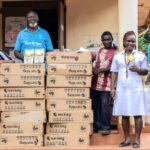


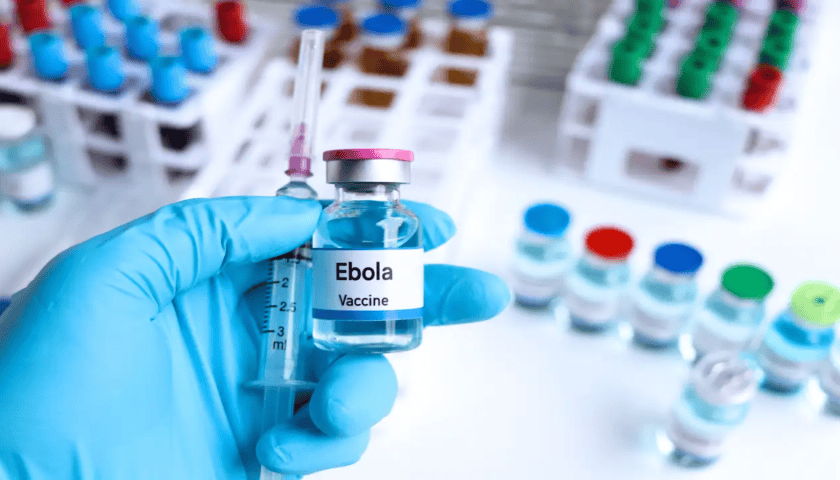
The World Health Organization said it shipped doses of an experimental monoclonal antibody treatment to Uganda on 1 June 2026 for use in confirmed Ebola Bundibugyo cases. The case count in Uganda remains at 9 confirmed infections with 1 death as of 2 June.
Unlike Ebola Zaire, Bundibugyo virus has no approved vaccine or treatment. WHO convened experts in May and authorized “compassionate use” of a monoclonal antibody cocktail originally developed for Ebola Zaire after lab tests showed partial effectiveness.
Uganda’s Ministry of Health will administer the treatment at designated isolation units in Kampala and Wakiso, where all confirmed cases have been recorded. No new cases have been reported in Kassanda or Mubende districts.
Dr. Tedros Adhanom Ghebreyesus said the shipment includes 200 doses, enough for current patients and high-risk contacts. “This is not a cure, but it may improve survival rates while we develop a Bundibugyo-specific vaccine,” he said.
Uganda confirmed its first case on 14 May 2026 — a 59-year-old Congolese man who died in Kampala. Subsequent cases have been linked to household and health facility contact. Over 400 contacts remain under 21-day monitoring.
WHO and Africa CDC are supporting contact tracing, safe burial teams, and infection prevention at border points. Screening has been intensified at Entebbe Airport and land crossings with DRC.
Clinical trials for a Bundibugyo vaccine are in early stages. Researchers from Uganda Virus Research Institute and international partners are collecting data from the current outbreak to accelerate development.
Public health officials continue to urge early reporting of symptoms: fever, fatigue, muscle pain, vomiting, and bleeding. Community engagement teams are working with religious and local leaders to promote safe practices.
The outbreak was declared a Public Health Emergency of International Concern on 17 May 2026 due to cross-border transmission risk between DRC and Uganda.
Email Us on editorial@nnafrica.com